Blog
Is pulling wisdom teeth recommended?
Wisdom teeth removal is recommended when there’s a clear risk—like infection, decay, or impaction. Here’s how dentists decide, plus what a thoughtful evaluation looks like.
Wisdom teeth are strange because they can be totally fine… until they’re not. Many patients only find out there’s an issue when the gum in the back swells, chewing hurts, or a cleaning suddenly becomes uncomfortable. The better approach is to evaluate third molars early and decide whether you’re a “monitor” case or a “remove before it becomes a problem” case.
The strongest reasons to remove wisdom teeth are straightforward: pain, infection, recurring inflammation, damage to the tooth in front, cysts/tumors, or decay that can’t be predictably treated. Those are the situations where extraction isn’t just recommended—it’s protective, because you’re preventing a cycle of repeat infection and collateral damage.
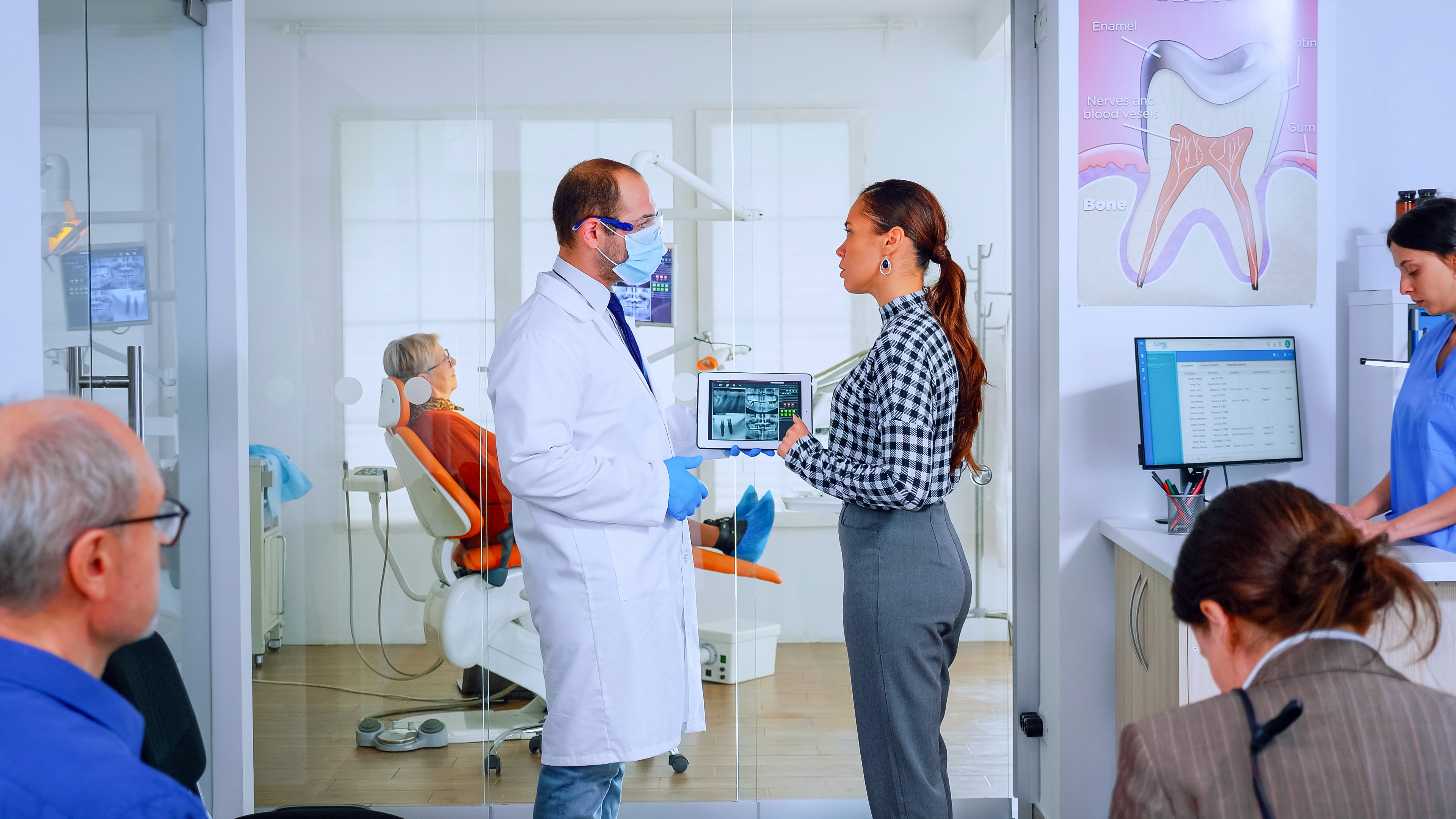
Where the conversation gets nuanced is the “asymptomatic but impacted” wisdom tooth. Some clinicians support earlier removal because younger patients often heal faster, and the procedure can be simpler before roots fully form. Others prefer to monitor if there are no current problems, especially if surgery risk is higher due to nerve proximity or medical history. A good consult doesn’t pressure you—it shows you what’s happening on imaging and explains what changes would trigger action.
Practically speaking, your decision should come down to: (1) do you have enough room for the tooth to erupt and stay clean, (2) is there inflammation around it now, and (3) what does imaging suggest about future complications. If you’re already having a flare-up, starting with an urgent exam can prevent a weekend from turning into a full-blown infection. If that’s where you are, Emergency Dental Care is the right first step.
If your exam points toward removal, you can read more about what to expect on Tooth Extractions. And if you’re the type who wants to understand how diagnostics guide decisions (especially for complex cases), the practice’s Technology page is helpful for seeing what tools can support safer planning.
Ready to get a clear answer instead of guessing? You can request a visit through Book Now and come in with your questions—because a confident plan always beats uncertainty (or internet rabbit holes).
Wisdom teeth are strange because they can be totally fine… until they’re not. Many patients only find out there’s an issue when the gum in the back swells, chewing hurts, or a cleaning suddenly becomes uncomfortable. The better approach is to evaluate third molars early and decide whether you’re a “monitor” case or a “remove before it becomes a problem” case.
The strongest reasons to remove wisdom teeth are straightforward: pain, infection, recurring inflammation, damage to the tooth in front, cysts/tumors, or decay that can’t be predictably treated. Those are the situations where extraction isn’t just recommended—it’s protective, because you’re preventing a cycle of repeat infection and collateral damage.
Where the conversation gets nuanced is the “asymptomatic but impacted” wisdom tooth. Some clinicians support earlier removal because younger patients often heal faster, and the procedure can be simpler before roots fully form. Others prefer to monitor if there are no current problems, especially if surgery risk is higher due to nerve proximity or medical history. A good consult doesn’t pressure you—it shows you what’s happening on imaging and explains what changes would trigger action.
Practically speaking, your decision should come down to: (1) do you have enough room for the tooth to erupt and stay clean, (2) is there inflammation around it now, and (3) what does imaging suggest about future complications. If you’re already having a flare-up, starting with an urgent exam can prevent a weekend from turning into a full-blown infection. If that’s where you are, Emergency Dental Care is the right first step.
If your exam points toward removal, you can read more about what to expect on Tooth Extractions. And if you’re the type who wants to understand how diagnostics guide decisions (especially for complex cases), the practice’s Technology page is helpful for seeing what tools can support safer planning.
Ready to get a clear answer instead of guessing? You can request a visit through Book Now and come in with your questions—because a confident plan always beats uncertainty (or internet rabbit holes).