OralDNA® Lab Testing
Some patients clean and floss perfectly and still have bleeding gums. Others get cavities no matter how careful they are. The reason isn't always visible, but it's identifiable.


A Different Level of Diagnostic Care
We believe great dentistry starts with understanding the why. For most patients, a comprehensive exam, X-rays, and routine cleaning are enough to find that answer.
For others, the same problems keep coming back: recurring decay, persistent bleeding gums, peri-implant inflammation, unexplained sensitivity. When that happens, the answer isn't usually "clean harder" or "floss more." The answer is figuring out what's actually living in your mouth and how your body is responding to it.
That's what OralDNA® Lab Testing tells us.
How It Works
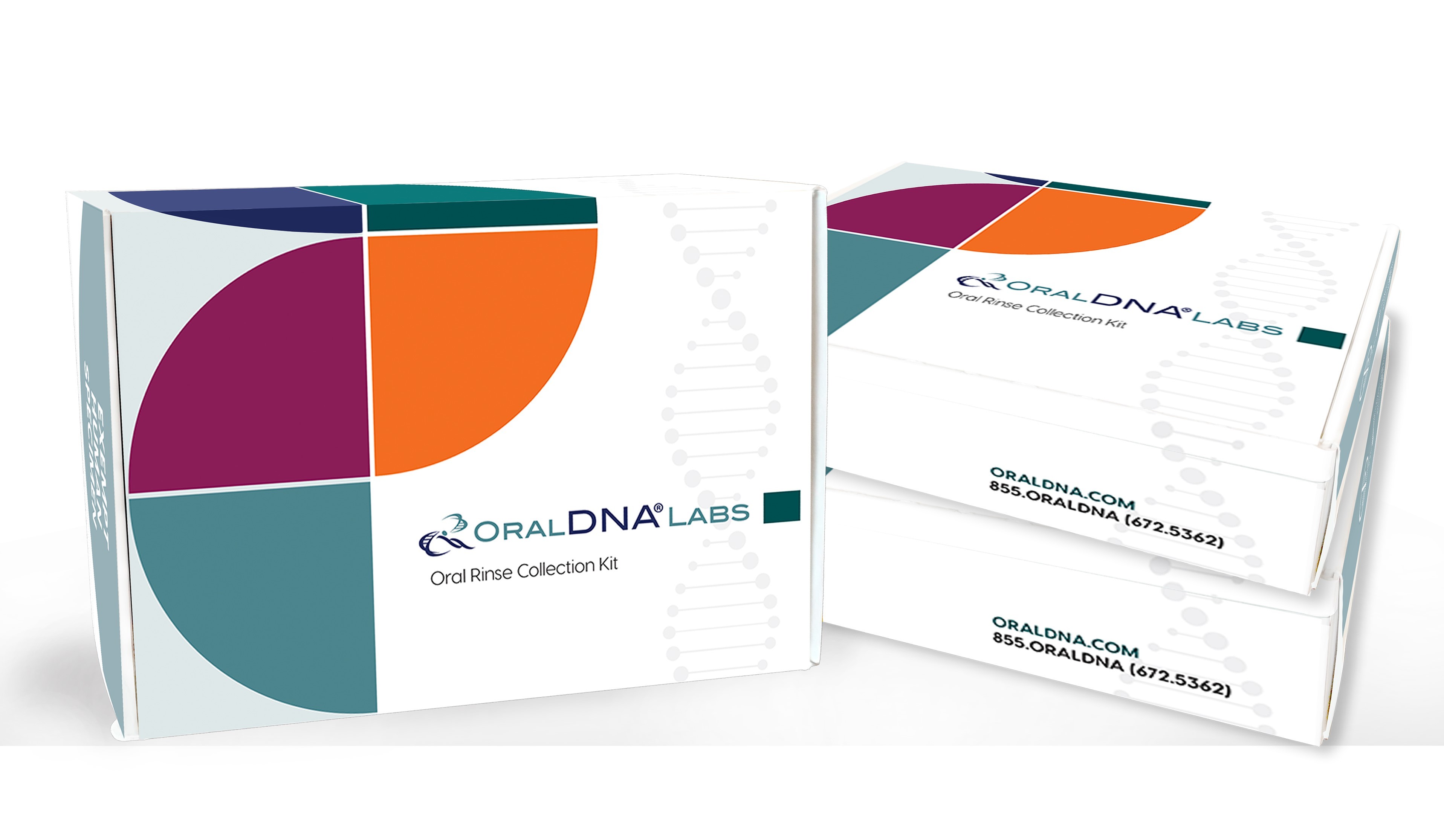
OralDNA testing uses a simple oral rinse. You swish a saline solution for 30 seconds and spit into a sealed collection tube. We send it to OralDNA's clinical lab in New York, and within 5–14 business days we receive a detailed report on the bacteria, viruses, fungi, or genetic markers in your mouth.
No blood draw. No biopsy. No discomfort. Just one rinse during your visit.
Who Benefits From OralDNA Testing
Testing isn't for everyone. We typically recommend it for patients who:
Have persistent gum inflammation despite good home care
Have a history of recurrent cavities even with regular cleanings
Have a dental implant and want to monitor peri-implant health
Have a family history of severe gum disease
Have systemic conditions (diabetes, heart disease) where oral bacteria matter
Want a baseline assessment of their oral microbiome before major treatment
Why This Matters
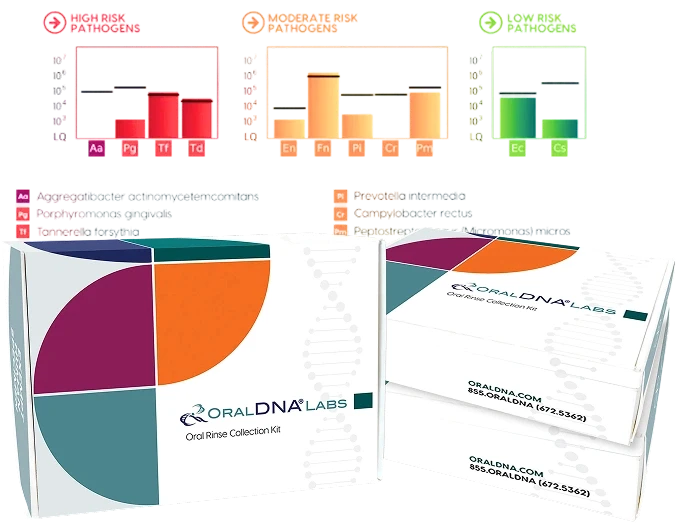
Routine cleaning removes plaque. Scaling and root planing removes deep deposits. Both are important. Neither tells us which bacteria are driving disease in your specific mouth, or whether your genetics make you more vulnerable to inflammation.
When we know that, we can:
Target the exact pathogens causing your problem with the right antimicrobial
Adjust your recall interval based on real risk, not a default schedule
Coordinate with your physician when oral bacteria are a factor in systemic health
Track whether treatment is actually working at the bacterial level — not just visually
This is what we mean when we say we treat the why. Two patients with similar X-rays can have completely different oral microbiomes — and they need completely different treatment.
Curious whether OralDNA testing is right for you?
We'll discuss it during your comprehensive exam — no pressure, no obligation. We only recommend testing when it would meaningfully change your treatment.